

Crossing tides: When Philippine laws fail the sea and its people
Decades of flawed legislative efforts have put marine life and the people who depend on it in danger. With growing political and environmental pressure, will the tides change?
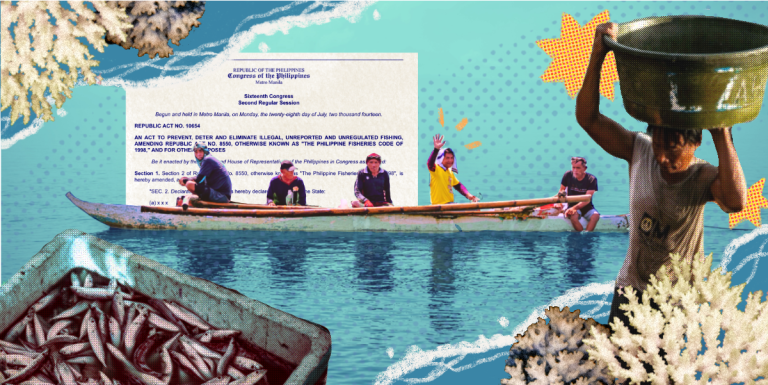
Decades of flawed legislative efforts have put marine life and the people who depend on it in danger. With growing political and environmental pressure, will the tides change?
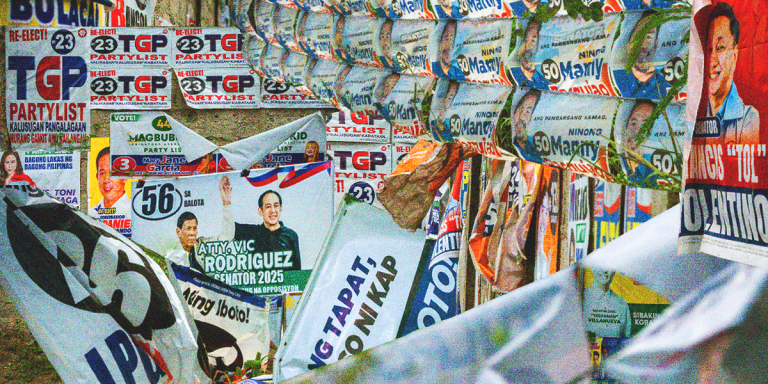
A month after the 2025 Midterm Elections in the Philippines, streets, trees, and walls are yet again covered in trash—previous campaign paraphernalia—that overwhelm both the people and the environment.
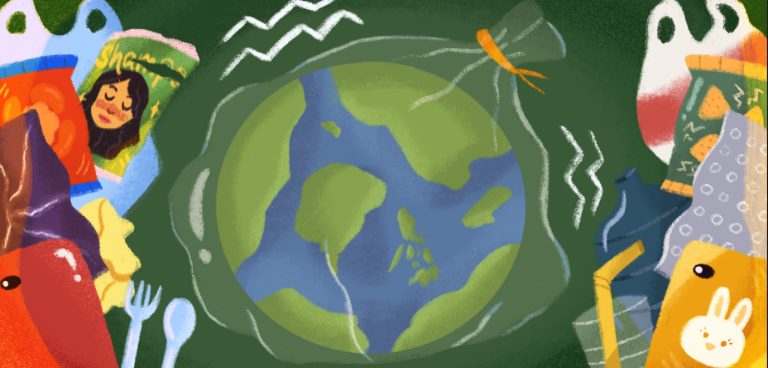
The Philippines is one of the biggest contributors to plastic pollution. We can try to reduce our plastic footprint, but its practical properties simply make it impossible to eliminate from the market on a meaningful scale currently. This is why bioplastics may provide a promising alternative.

Since the start of his papacy in 2013, Pope Francis has been an advocate for scientific research and environmental protection.
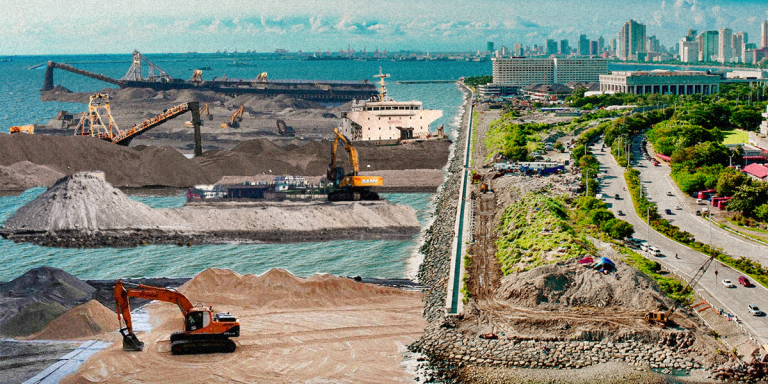
So-called “green reclamation” efforts suggest that more sustainable methods could be explored to conduct reclamation projects, or that perhaps rehabilitation can co-exist with reclamation. However, rehabilitation and reclamation are two distinct concepts that do not easily go hand in hand.